

[비즈한국] In an era where brands are remembered beyond mere products—through senses, experiences, and attitudes—people now prioritize what they are drawn to and what experiences they remember over simply what they buy. BizHankook, in collaboration with the brand community BeMyB, presents the 'Brand of the Month' every month. We deliver the new sensations and flows of brands captured by BeMyB and delve into the context behind why the brands in the spotlight are being chosen.
For a while, the buzzword in the branding industry was always 'newness.' More provocative collaborations, faster trends, and stranger experiences were considered competitive advantages. However, looking at the brands in May of this year, a slightly different trend emerges. Instead of creating something entirely new, brands that reinterpret long-existing elements with the sensibilities of the current era are receiving a greater response.
The 30-year-old game IP Pokémon still brought tens of thousands of people to the heart of Seongsu-dong. The 92-year-old walnut pastry brand Hak-hwa has become a 'run-to-open' dessert for the younger generation. The 60-year-old publisher Minumsa has turned the publishing house itself into a fandom, and the global outdoor brand Salomon has highlighted the old daily routine of Korea's 'backyard mountain culture' in a new light. Movieland is also increasing its presence by expanding movies from simple viewing content into a space of taste where people want to linger.
The interesting point is that these brands did not rely solely on nostalgia for the past. Rather than blindly consuming old things like retro, they have retranslated them into the tastes, platforms, and spatial experiences of the current generation. The power to make the familiar feel like a new experience. Perhaps the most important competitive advantage for brands today is not creating something entirely new, but the ability to rediscover the meaning of what already exists.
The keyword that permeates the May brands is the 'reinterpretation of the old.' From a 30-year-old game IP to a snack brand over 90 years old and a 60-year-old publisher. They did not just stop at repeating past nostalgia. They retranslated old brands into the tastes, platforms, and spatial experiences of the current generation, creating a new fan base.
Enjoy: 'Pokémon', which expanded a 30-year IP into a lifestyle culture
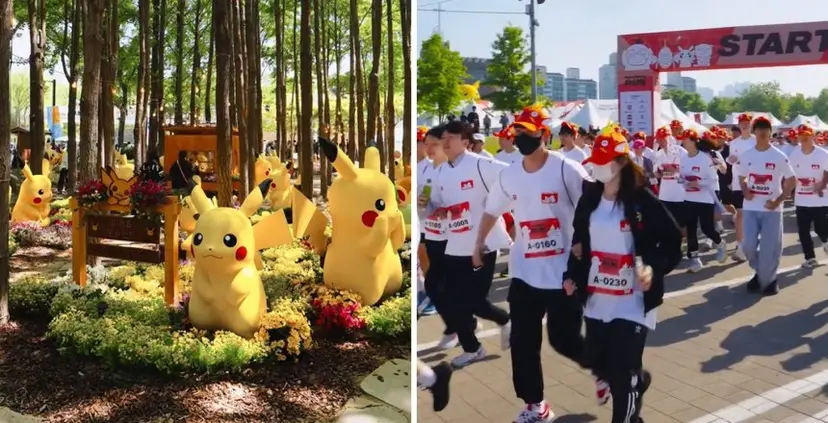
Pokémon, selected in the 'Enjoy' category, once again showed the power of a massive fandom on its 30th anniversary. 'Pokémon Mega Festa 2026' held in Seongsu-dong drew 120,000 visitors a day, causing some events to be suspended, and fans from Japan and China even visited for the event.
The way the event was conducted was also interesting. Seoul Forest's 'Secret Forest' targeted a healing experience in nature, while Seongsu-dong's 'Ditto Playground' targeted the social media verification culture. In the 'Pokémon Run', 5,000 people ran along the Han River with a Magikarp concept, and the COEX 'Sports Day' stimulated the competitive spirit of core fandoms. It was not just an exhibition, but an expansion of the Pokémon worldview into real-world spaces.
The power of Pokémon is also evident in its IP expansion capability. Collaborations spanning fashion, beauty, food, and sports such as Spao, Olive Young, SPC Samlip, Lotte Giants, and FC Seoul have followed, and about 230 types of limited edition products have been released. Being an old character that doesn't lose its core no matter which brand it meets is Pokémon's most powerful weapon.
Above all, Pokémon was not consumed merely for 'memories.' The generation that grew up watching Pokémon is now the 2030 consumer base, and Pokémon has established itself as a lifestyle IP that moves their app usage time, offline movement, and consumption patterns.
Wear: 'Salomon', which re-read Korean mountain culture
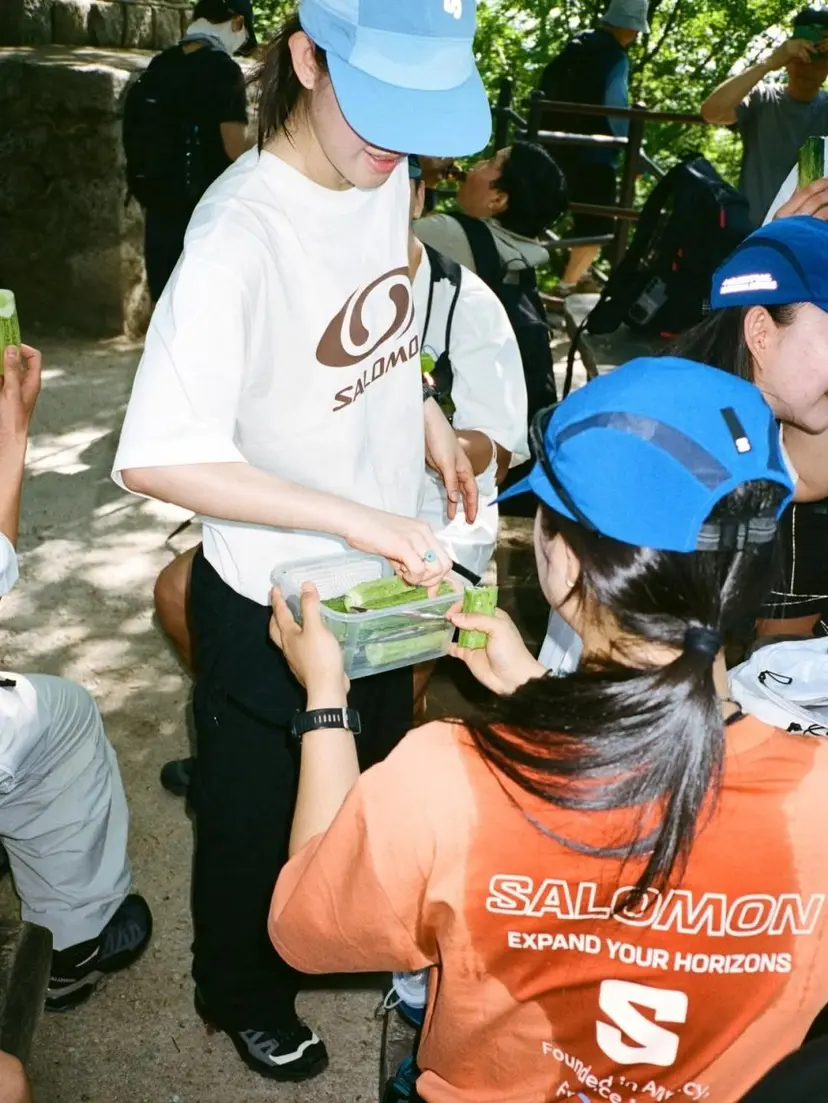
Salomon, in the 'Wear' category, went beyond simple outdoor brand campaigns to highlight Korean mountain culture in a new light. Together with 'Monthly Mountain,' which has been recording mountain culture for over half a century, it presented the 'Monthly Salomon' project, translating the sensibility of Korean-style hiking culture into brand content.
The first article, 'The Nation of Backyard Mountains,' dealt with the mountain culture in the daily lives of Koreans. Familiar scenery such as spring water spots, makgeolli after hiking, and local backyard mountains were looked at again through the eyes of a global brand. Like the expression, "There is no other city in the world where you can get off the subway and find a rock wall after walking for 15 minutes," it reinterpreted scenes that were too familiar to feel special.
The 'Monthly Salomon Picnic' held at Baegundae, Bukhansan Mountain in mid-May also caught attention. Participants brought cucumbers in their backpacks to share at the summit, and the brand put the affection and scenery of the mountain at the forefront instead of products.
Salomon recently opened the world's first trail running specialty store, 'Salomon Trail Run Seoul,' in Seochon, strengthening its foray into the Korean market. However, the more impressive part of this campaign is that it looked into the memories of Korean mountain culture before promoting new products.
Eat: 'Grandma Hakhwa Walnut Pastry', which made a 92-year-old brand trendy again
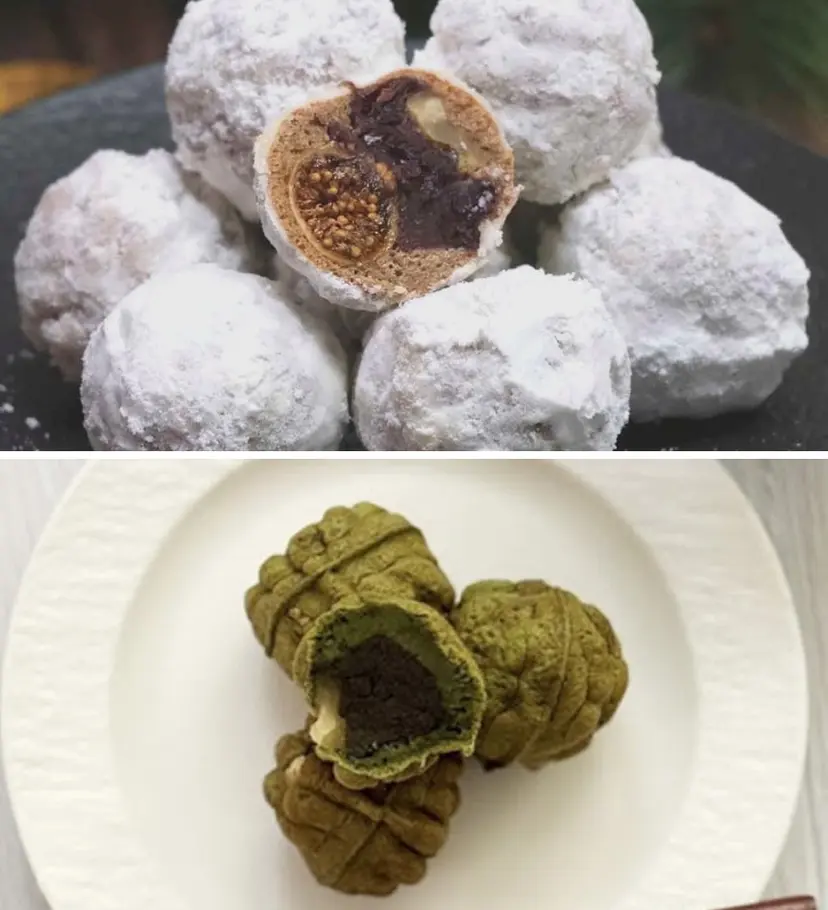
Grandma Hakhwa Walnut Pastry, which was listed in the 'Eat' category, is an original Cheonan walnut pastry brand that started in 1934. Maintaining the old spelling 'Hodo' instead of 'Walnut' is a symbol that it continues to use the sign from the time of its founding.
Hakhwa began to attract attention again after its brand renewal in 2022. While maintaining symbols like the checkered packaging, it changed its Chinese character logo to Hangul, introduced an Instagram channel, and launched new dessert lines to broaden its contact point with the younger generation. New menus such as matcha, red bean butter, and stollen walnut pastries have also appeared.
In particular, the Instagram operation method is impressive. It composes menu photos and visuals like a magazine and explains the new menu development process like content. It has also naturally connected with channels familiar to the younger generation, such as the 29CM Seongsu pop-up and Yonsei Milk collaboration.
However, even amidst change, the standard is clear. It is the principle of "how well it goes with the red bean paste." It shows that the way an old brand survives is ultimately not by blindly becoming younger, but by connecting with the tastes of the times while maintaining its own self.
Stay: 'Movieland', which created a space for taste
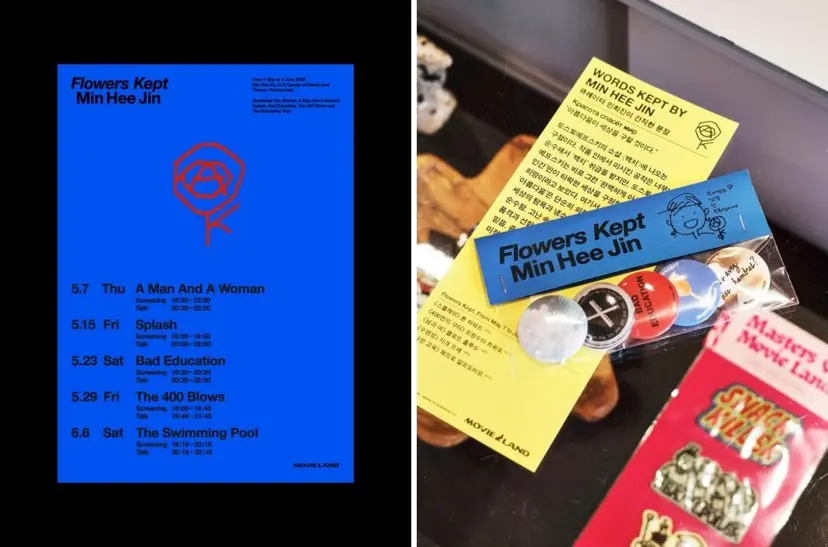
Movieland, in the 'Stay' category, has emerged as one of the most unique movie spaces in Seongsu-dong. Created by the brand consulting team MoBetterWorks, this theater aims to be a 'space where one experiences stories' rather than just a screening room.
In May, a special exhibition 'Cherished Flower,' curated by Min Hee-jin, CEO of OK Records, attracted a lot of attention. It screened five films, including 'He and She,' 'Splash,' and 'The 400 Blows,' and organized a GV (Guest Visit) that lasted for over two hours after the films.
The reason Movieland is interesting is that it doesn't just stop at showing movies. Audiences go to see the movies and, at the same time, experience the tastes and thoughts of people they like.
The recently published 'Movieland Making Book' is also in the same vein. By recording the process of creating a theater, from space design and revenue structure to merchandise planning and customer service operations, it has expanded the brand's worldview itself into one form of content.
Write: 'Minumsa', which turned the publisher itself into a fandom
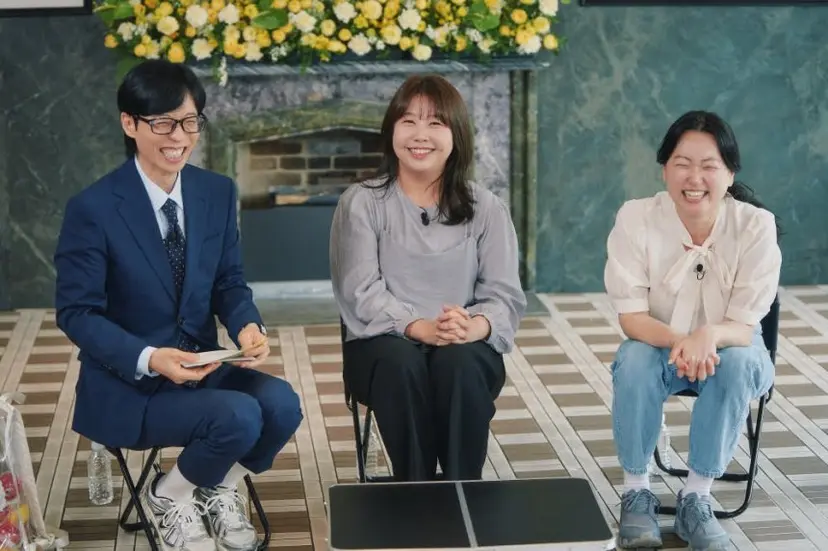
Minumsa, in the 'Write' category, showed its presence once again this year, its 60th anniversary. Despite the stagnation of the single-volume book market, it recorded 20.6 billion won in revenue and 4.1 billion won in operating profit last year.
Minumsa's power does not come solely from a few famous authors. The 'World Literature Collection' series nearing 500 volumes, steady sellers like 'Demian' and 'Siddhartha,' and books rediscovered over time have consistently accumulated as brand assets.
Recently, the center of the buzz is the YouTube channel 'Minumsa TV.' While existing publisher channels stopped at author interviews and new book introductions, Minumsa TV formed a fandom by joyfully showing the daily lives of its employees. A representative example is the sharp increase in sales of related books following editor Kim Min-kyung's broadcast appearance.
'Minum Book Club' also symbolically shows fandom culture. When the 16th early bird recruitment opened, the server went down due to the influx of users, and a 'run-to-open' phenomenon occurred among consumers waiting for limited edition merchandise and recover editions.
People no longer consume just books. They consume the publisher's own tastes, attitudes, and worldview together. Minumsa has become the clearest example of how an old publisher can create a brand fandom.
May's Brand 'Pokémon'
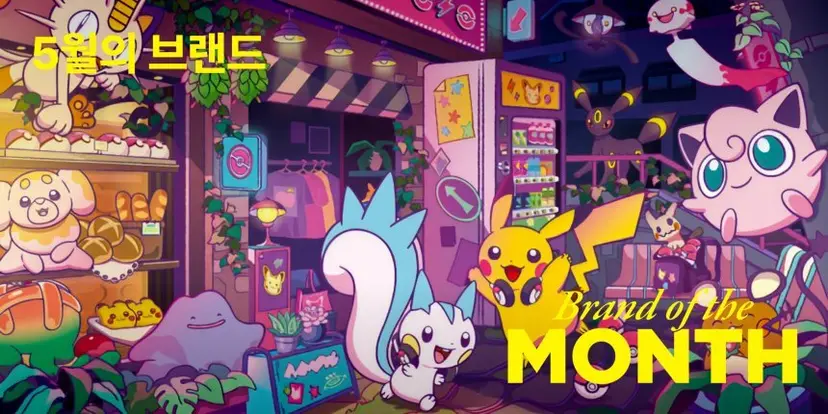
The reason Pokémon was selected as the 'Brand of the Month' for May is not just because it is an IP that has survived for a long time. Pokémon has continuously changed the way it is consumed as generations have changed. The characters that were once inside TV animations and Game Boy screens have now naturally entered mobile apps, pop-up stores, running events, fashion collaborations, and sports team merchandise. A brand being old can mean it has become familiar, but Pokémon did not leave that familiarity as something outdated. Characters like Pikachu, Ditto, and Magikarp have become symbols of memory and, at the same time, present-tense content that makes people take pictures, wear, collect, and run together right now.
Above all, Pokémon does not leave its fandom as mere 'spectators.' People move not just to see Pokémon, but to step into the Pokémon world for a while. They walk in Seongsu-dong, run along the Han River, look for limited edition merchandise, and re-choose characters they once liked. In this process, Pokémon does not stop at summoning memories of childhood but operates again within today's urban experience and consumption patterns. This is why a 30-year-old brand can still be powerful. Pokémon does not sell the past. It makes it possible to take out and use the feelings we once liked in the past again today.
![[Merek Bulan Ini] 'Pria yang Hidup dengan Raja', Branding Partisipatif yang Menarik 15 Juta Penonton](https://s.bizhankook.com/attachments_thumb/2026/05/98009_thumb.webp)
![[Brand of the Month] 'New Balance' Speaks on the Essence of the Running Craze](https://s.bizhankook.com/attachments_thumb/2026/05/98504_thumb.webp)
![[Brand of the Month] 'Pokémon' is Neither a Trend nor Just a Memory, It is a 'Lifestyle'](https://s.bizhankook.com/attachments_thumb/2026/06/106521_thumb_3a1e00d0.webp)
![[Brand of the Month] Genesis, Nilai Kemewahan yang Dibangun Melalui Hasil Nyata, Bukan Sekadar Kata-kata](https://s.bizhankook.com/attachments/2026/07/afa62c3382c3_34504ee7.jpg)
![[Brand of the Month] 80 Percent of Re:Scene’s Success Comes from Consistency](https://s.bizhankook.com/attachments_webp_no_wm/2026/07/135001_no_wm_cbbb04c3.webp)